




Financial year

A financial year – sometimes called the tax period, accounting period, fiscal year or budget year – is the period of time, usually 12 months, that is used for accounting purposes and for the submission of taxes to the Inland Revenue.
Organisations use the financial year to report on their progress and measure whether they have met their operational goals for that year. This helps them to plan for the following year.
For some businesses, it is preferable for their financial year to run from April 1 to March 31 the following year – a full 365 (or 366 days if a leap year). This aligns with the government’s fiscal year. However, for personal tax purposes, the year runs from April 6 to April 5 – a period which reflects the old ecclesiastical calendar.
Firms and individuals are free to choose an accounting period that is convenient to them, as long as they have informed the Inland Revenue. Operating a financial year that accords with the calendar year – January 1 to Dec 31 is preferable for some. Many large organisations in the UK use the calendar year as their accounting period, whereas for universities it typically ends during the summer to align with the close of the academic year.
[edit] Related articles on Designing Buildings Wiki
- Budget
- Business case.
- Business plan
- Capital allowances.
- Cash flow forecast.
- Cashflow.
- Financial hedging.
- Financial management tools.
- Remedies for late payment.
- VAT
- VAT - Option to tax (or to elect to waive exemption from VAT).
- VAT - Protected Buildings.
Featured articles
Check out some of the best features and news from Designing Buildings as well as key stories from around the web.

Dorset's first conservation campaigner?
Gov.uk - Hot-rolled steel plate

New anti-dumping measure imposed on South Korea.
ECA responds to the Milburn Report

Youth employment to be linked to workforce demand.
The construction industry urgently needs to attract new talent
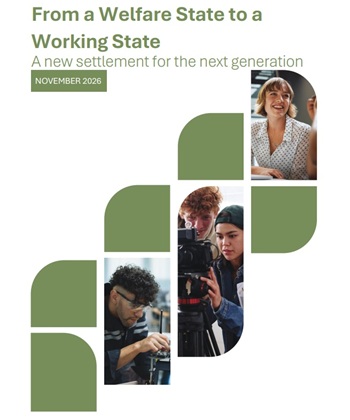
CIOB responds to Neets report.
Grenfell Tower community update

Memorial columns to be retained as careful dismantling continues.

When buildings reflected the local resources available.

CIOB reports 57% are using artificial intelligence technologies.

More of England’s ‘hidden heroes’ will be celebrated.

CIAT calls for retrofit to be a priority.

Version 6 is now available, along with guidance for ECA members.

Post-War Homes: mid-century British architecture. Book review.

CIAT reflects on the party conferences.